What's the difference between oil-based and water-based paints?
Oil-based and water-based paints differ primarily in composition, application, and characteristics. Here’s a breakdown of the key differences:
1. Composition of Paints
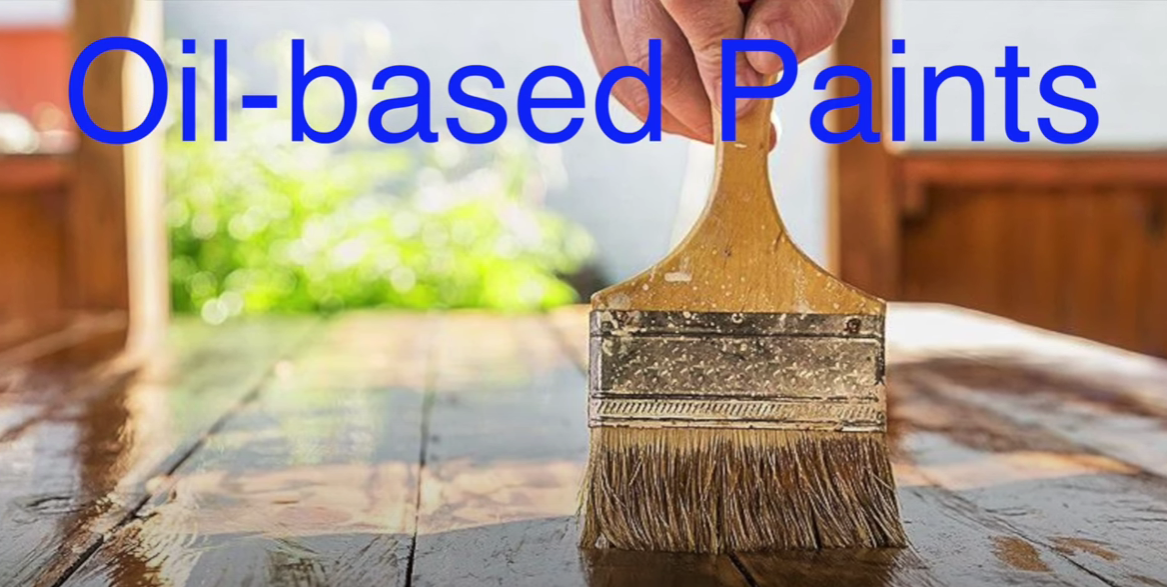
- Oil-Based Paints
Made with oil, usually alkyd or linseed, as the main binder and solvent.
To thin or clean up, you’ll need mineral spirits or turpentine.
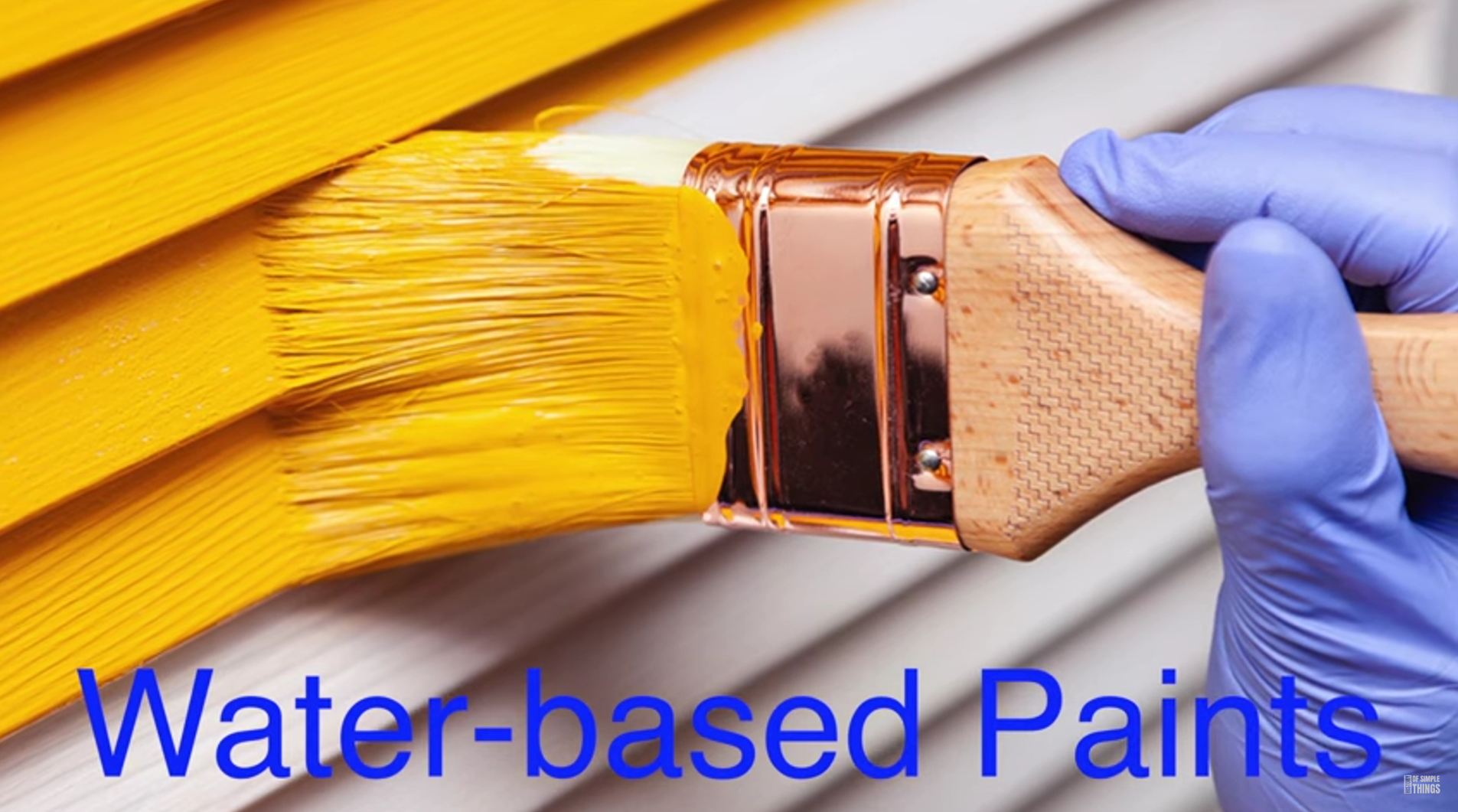
- Water-Based Paints
Use water as the main solvent and have acrylic or latex as the binder.
Easy to thin and clean with just water.
Simple and straightforward!
2. Drying Time
- Oil-Based Paints: Take longer to dry because they dry through oxidation. This process can take anywhere from 6 to 24 hours or more.
- Water-Based Paints: Dry much faster, often within 1 to 2 hours, because the water evaporates quickly.
3. Durability and Finish
- Oil-Based Paints:
Provide a smoother, harder, and more durable finish.
Better for surfaces subject to heavy use, such as furniture, doors, or trims.
More resistant to wear and tear over time but prone to yellowing with age, especially in low-light areas.
When choosing between paint types for exterior surfaces, our exterior painting services provide long-lasting protection.
- Water-Based Paints:
Typically less durable but more flexible, which helps prevent cracking.
Maintain color and finish better over time without yellowing.
Suitable for walls, ceilings, and areas with less wear and tear.
4. Application
- Oil-Based Paints:
Offer a more professional, glossy finish and require more effort to apply evenly.
May emit strong fumes due to the use of solvents.
- Water-Based Paints:
Easier to work with, especially for DIY projects.
Lower odor and fewer volatile organic compounds (VOCs), making them more environmentally friendly.
Because oil-based paints require careful surface prep and skillful application, many homeowners choose to work with professional painters in San Tan Valley who ensure flawless results and long-lasting finishes.
5. Maintenance
- Oil-Based Paints:
Harder to clean up; requires solvents like turpentine.
Once dry, the surface is more resistant to scrubbing and cleaning.
- Water-Based Paints:
Easy to clean up with soap and water.
Surfaces may require gentler cleaning methods to avoid damaging the paint.
6. Effects on the Environment
- Oil-Based Paints
Have higher VOC levels, which can harm air quality and pose health risks.
- Water-Based Paints
Low in VOCs, making them safer for indoor spaces and better for the environment.
Easy on the planet and your health! 🌎
Use Cases
- Oil-Based Paints: Ideal for high-moisture areas (bathrooms, kitchens), trim, cabinets, and exterior surfaces that face heavy exposure to the elements.
- Water-Based Paints: Best for general interior walls and ceilings, and areas where quick drying and low odor are priorities.
Understanding the differences between oil-based and water-based paints can help you pick the right finish for each room. If you want expert advice on selecting colors or finishes, check out our best interior painting services in San Tan Valley.
In summary, the choice between oil-based and water-based paints depends on the specific project requirements, desired finish,
and environmental considerations.
Oil-Based vs Water-Based Paint Comparison
Feature
Oil-Based Paint
Water-Based Paint
- Dry Time
- Durability
- Odor
- Cleanup
- Best For
- Environmental Impact
- Slower drying
- Very durable
- Strong fumes
- Requires solvents
- Trims, doors, cabinets
- Higher VOC
- Fast drying
- Durable, flexible
- Low odor
- Soap and water
- Walls, ceilings, interior spaces
- Low or zero VOC options
Frequently Asked Questions About Oil-Based vs Water-Based Paint
Which paint lasts longer, oil-based or water-based?
- Oil-based paint is traditionally known for its durability, especially on trim and high-traffic areas. However, modern high-quality water-based paints can offer excellent longevity with easier maintenance.
Is oil-based paint better for Arizona homes?
- In Arizona’s dry climate, oil-based paints can perform well on surfaces that need extra durability. However, many homeowners in San Tan Valley prefer high-quality water-based paints because they resist cracking and offer lower VOC levels in hot weather.
Can you paint over oil-based paint with water-based paint?
- Yes, but proper surface preparation is essential. The surface must be cleaned, sanded, and primed before applying water-based paint over oil-based finishes.
Which paint is safer for indoor air quality?
- Water-based paints generally have lower VOC levels, making them a healthier choice for interior spaces and families concerned about air quality.